
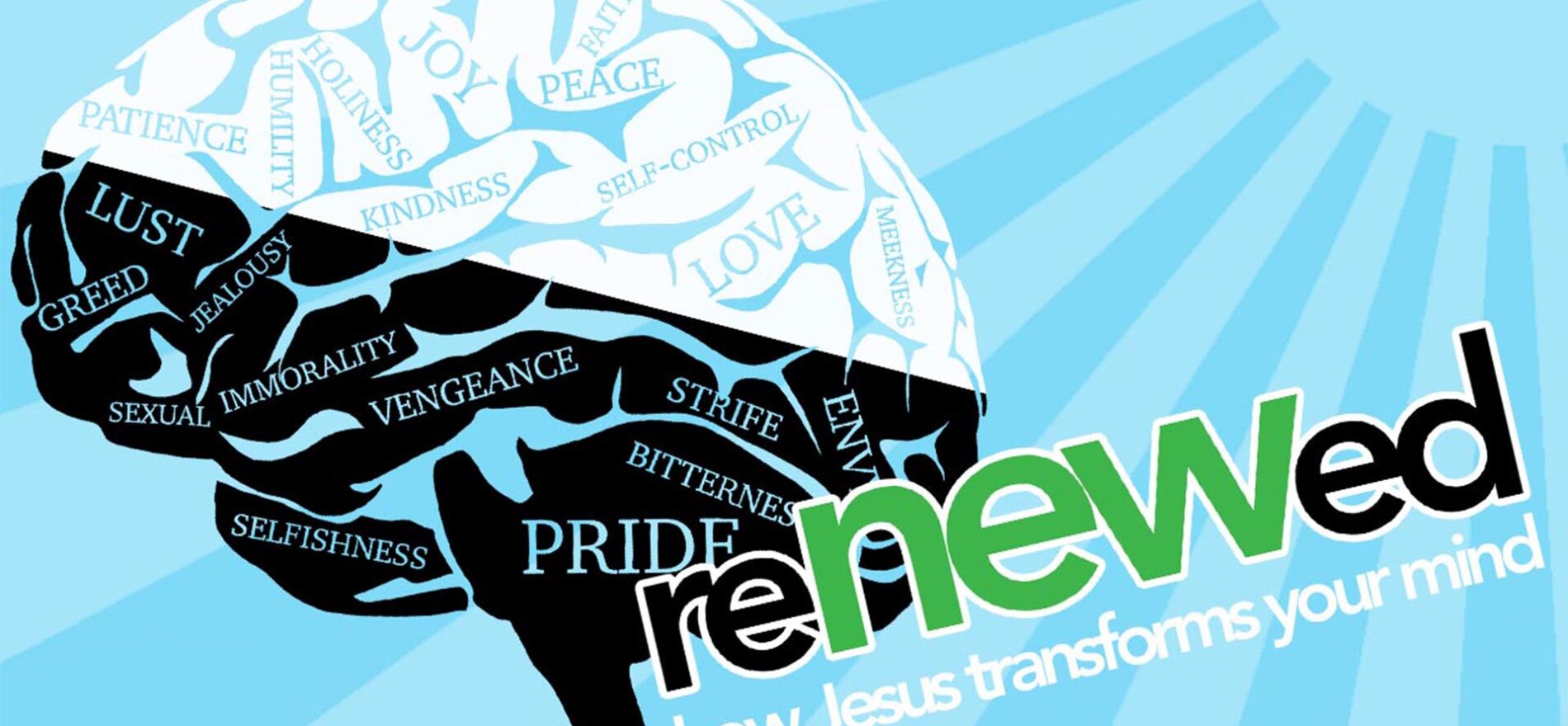
In 2017, I wrote a book called Renewed: How Jesus Transforms Your Mind. This is part of a series of articles based on that book’s content. Hope you find them helpful.
Every harvest starts with a choice.
Every battle has a first shot. Every consequence has a cause. The Bible frames this in agricultural terms: our choices bear fruit, and the fruit becomes a harvest — either a harvest of life or a harvest of destruction (Matthew 7:17-18). Choice is where it all begins.
Consider how tangled it gets. Tim Keller has told how a door left unlatched at Watergate set in motion a chain — a resignation, a presidency, a dean’s prayer, a professor’s visa, two seminary courses — that eventually led to the planting of a church in New York City that reached thousands. The same choice that ruined a presidency opened a door for the gospel. I can tell my own version: a foolish year in college, chasing a relationship that fell apart, somehow became the year God used to redirect my entire life. Choices ripple. There’s always an aftermath you couldn’t anticipate. “The heart of man plans his way, but the LORD establishes his steps” (Proverbs 16:9).
Both things are true: people are one hundred percent responsible for their choices, and God’s plan absolutely comes about. In accomplishing his purposes, God uses the free choices of men and women. That leaves our choices firmly in the category of free will — and leaves God’s sovereignty fully intact.
Be careful not to oversimplify in either direction. Godly choices don’t guarantee comfort: nearly every apostle died a martyr, and Paul was beaten, stoned, and shipwrecked while living a life we’re told to imitate. The objective isn’t to avoid trouble; it’s to make choices in step with Jesus. And don’t simply blame other people, either. Delilah betrayed Samson — but Samson, who never should have been with her, was more responsible still (Judges 16). The truth is, we’re a messy mix of our own choices and the choices of others. We’re both sinners and people who are sinned against.
So what sabotages our choices? Two things. First, sin itself — not just an act we commit but a force that acts on us. God told Cain, “sin is crouching at the door. Its desire is for you, but you must rule over it” (Genesis 4:7). Worse, that power uses God’s own commands to provoke more rebellion. Tell a toddler no, and the forbidden cupboard suddenly becomes the most interesting place in the house. Paul knew it: “sin, seizing an opportunity through the commandment, deceived me” (Romans 7:11).
The second saboteur is our broken flesh. “I have the desire to do what is right, but not the ability to carry it out” (Romans 7:18-19). No wonder Paul cries, “Wretched man that I am!” (7:24). I’ve felt it. For me the deepest ruts of rebellion weren’t scandalous failures so much as long stretches of prayerlessness — those seasons when I trusted my own intellect, assumed I had things under control, and quietly left the Holy Spirit out of the loop.
But the new birth changes the math. Before, you only chose between which path best satisfied your desires. Now you’re choosing between two masters: please Jesus, or please yourself. That internal struggle you feel is not a sign of failure — it’s a sign of life. It means there is a new self in you that wants to please him.
And this is no contest between equals. The Spirit is greater — no debate — but he’s also meek. He won’t force you; he persuades. How? Through your knowledge of Christ: “His divine power has granted to us all things that pertain to life and godliness, through the knowledge of him” (2 Peter 1:3). The deeper you know Jesus, the more your love grows, and the more your choices fall in line with his — the same way knowing my wife for decades has only raised the lengths I’ll go to please her. Do your choices need to change? Learn Christ. Your choice is where it all begins.




I really love the idea that “choices bear fruit”. Love the context of this truism.